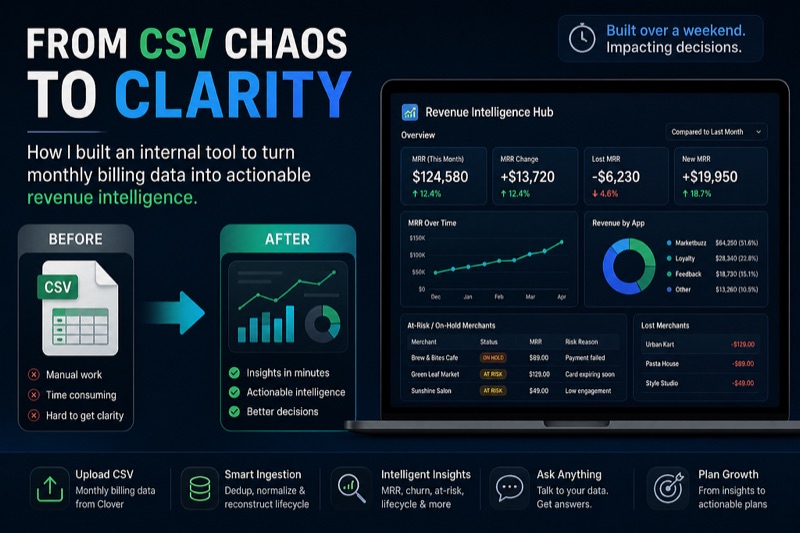
By mid-2025, MarketBuzz had a strong technical foundation — but it was not growing.
The product was stable, it had an existing user base, and it was already featured in the Clover App Market. Yet revenue was stagnant, retention and engagement were low, and new users struggled to understand the product’s value.
This wasn’t a technology problem. It was a product-execution and alignment problem.
Three systemic issues.
After stepping into the Product Lead role, I identified what was actually holding growth back.
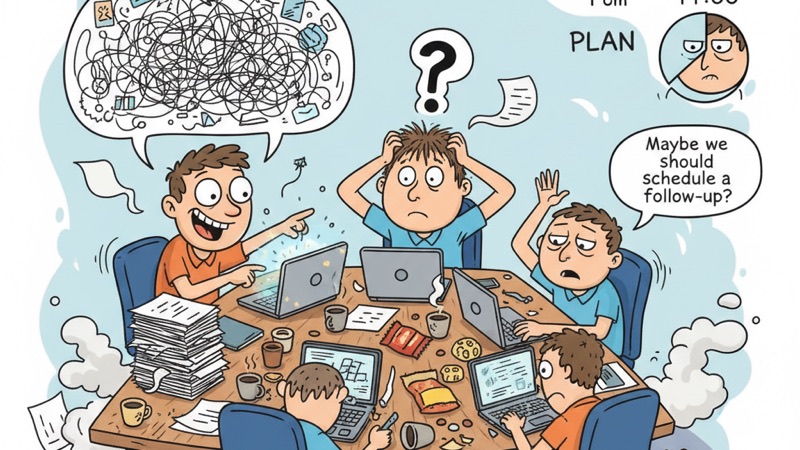
Team misalignment
Engineering and marketing operated in silos, with no shared weekly goals and features shipping without coordinated go-to-market plans.
Weak execution rhythm
No real-time visibility into weekly progress across teams. Execution focused on activity, not impact.
Poor onboarding
Hotjar recordings showed users getting lost early. Key insights were buried, and users didn’t reach “aha” moments fast enough.
Diagnose before building.
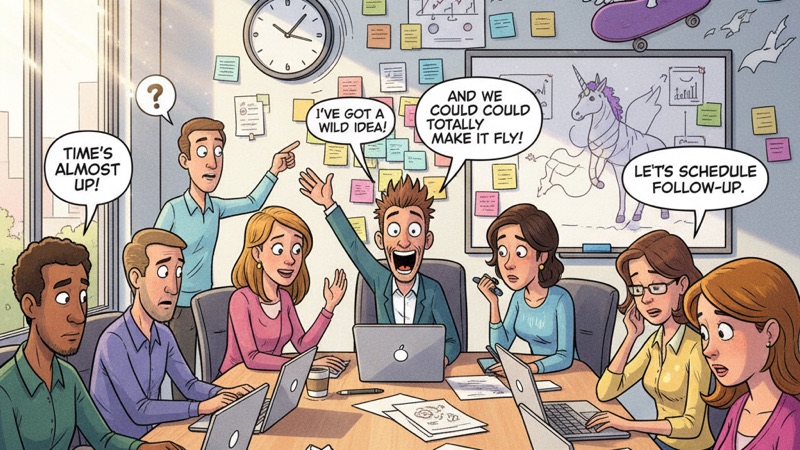
Instead of immediately shipping features, I paused execution and planned a full-day system-design & strategy workshop with engineering, marketing and sales.
The goals
- Align everyone on one shared problem
- Replace assumptions with evidence
- Create a single unified execution plan
The outputs
- A shared diagnosis of what was holding growth back
- 20+ concrete action items
- A single execution playbook for the next 6 months
- For the first time — tech and marketing working toward the same weekly targets
This workshop became the turning point.
From → To.
Before
- Time-boxed sprints
- Tech & marketing silos
- Shipping features blindly
- Guessing UX problems
After
- Feature-driven, outcome-focused execution
- Shared weekly goals
- Shipping with GTM + UX intent
- Data-driven UX via Hotjar
Late 2025.
1 · Major UI/UX overhaul
Revamped dashboards, campaigns and insights based on real user friction; simplified flows and clarified value messaging.
→ Clearer onboarding · faster value realization · improved engagement2 · Monetizing “Insight Unlock”
Converted a free analytics feature into a revenue-generating product.
→ First paid users · increase in installs · new positive reviews3 · Entering a new ecosystem — the ChatGPT App
Designed and built a ChatGPT App exposing analytics conversationally — positioning MarketBuzz beyond the Clover App Market. Planned, implemented, tested and submitted within ~2 months.
→ Strategic expansion · new distribution channel without rebuilding core analyticsTechnical highlights.
ChatGPT integration
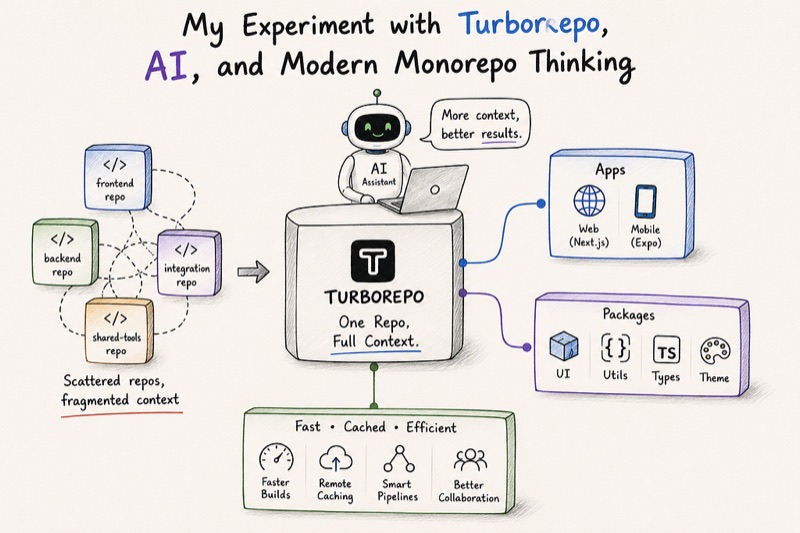
- Designed an MCP-based architecture with clear system boundaries
- Initiated OAuth flows for the first two MCP tools
- Connected conversational workflows to existing Clover REST APIs
- Ensured analytics logic stayed reusable across surfaces
AI-assisted development
Experimented with AI tools to accelerate planning, code generation and refactoring — resulting in faster iteration without sacrificing production stability.
Critical production challenges.
Clover MFA vs ChatGPT test-account conflict
Clover requires MFA for production accounts; ChatGPT requires test accounts without MFA — discovered late in the submission process and time-critical.
Response: organized an emergency cross-team call, proposed an AWS Cognito-based login flow (already on the long-term roadmap), implemented it with AI-assisted development across 4 repositories, tested web + ChatGPT + staging + production logins, and deployed within 4 days.
Legacy Clover devices
Clover devices run old Android versions and browsers; the UI broke on modern JS output.
Response: downgraded frontend output from ES6 → ES5, restoring compatibility without sacrificing functionality.
The outcome.
Improved onboarding and engagement, stronger cross-functional trust and execution rhythm, and a platform positioned for scalable growth in 2026.
What this demonstrates.
Stepping into ambiguous product problems, aligning teams around shared outcomes, designing scalable architectures, owning production delivery under pressure, and translating business goals into technical execution.
- Shipping features ≠ growth
- Cross-team alignment beats individual brilliance
- AI accelerates development only when fundamentals are solid
- Onboarding matters more than feature count
- Weekly alignment prevents long-term drift